

Is Bartering Taxable? What Traders and Businesses Should Know
Barter isn't a way around taxes, but that doesn't mean every swap creates a tax bill. Whether you owe anything depends on who you are, what you traded, and what you paid for it. Here's how the IRS treats bartering, what it means for casual traders, businesses, and Space hosts, and the records worth keeping.
By Promise Ebere Okoroji · · 6 min read
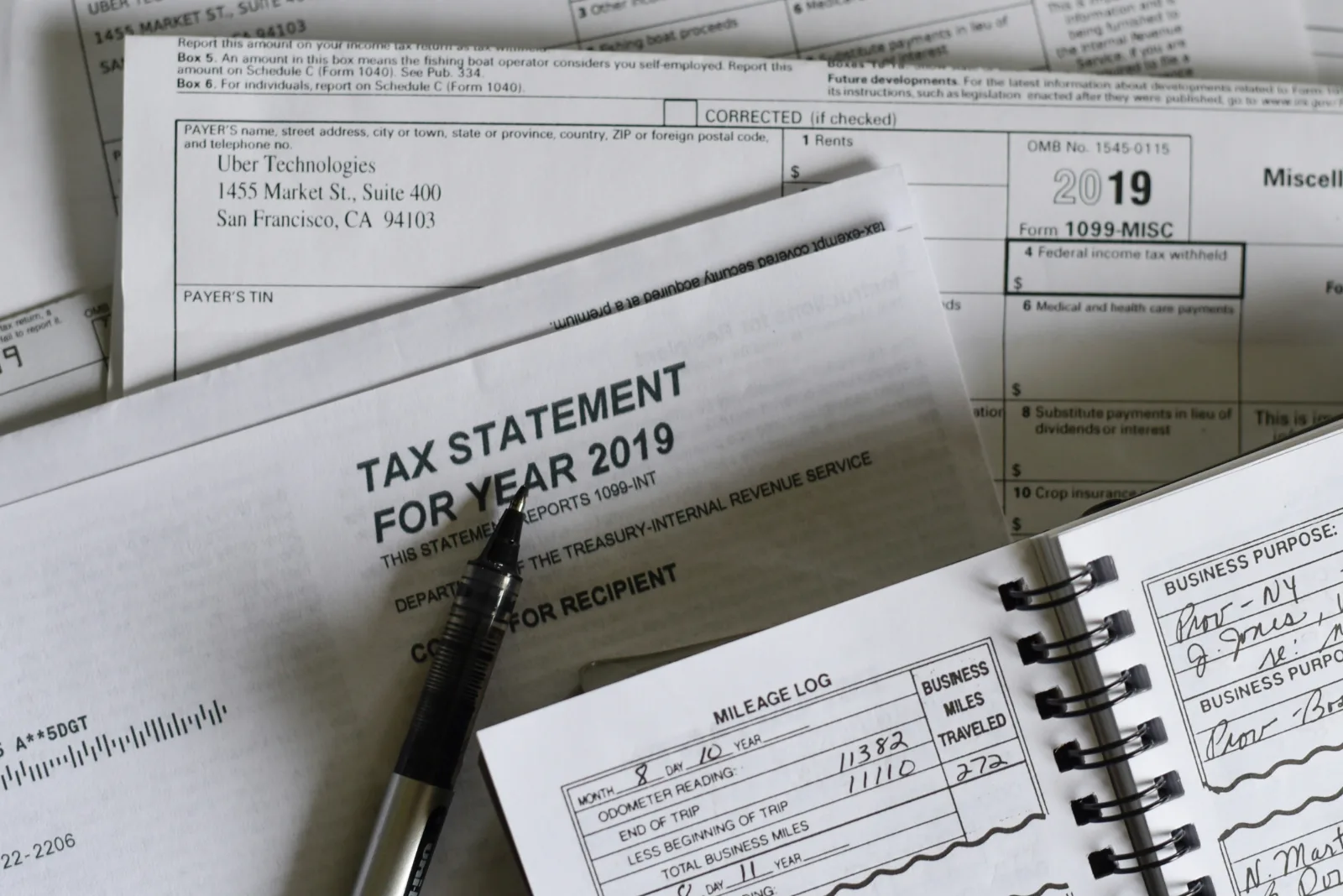
One of the most persistent myths about barter is that it's "off the books." No cash changes hands, so there's nothing to tax, right?
Not quite. In the United States, the IRS has treated bartering as taxable for decades. But the opposite myth isn't true either: most people swapping a few used items they no longer need won't owe anything at all.
The real answer depends on three things: who you are, what you traded, and what you originally paid for it. This post walks through how the rules work for casual traders, businesses, and TBBN Space hosts.
Please note: This post is general information about U.S. federal tax rules as of October 2026. It isn't tax or legal advice, and TBBN isn't a tax advisor. State rules and other countries' rules differ. For advice about your own situation, talk to a qualified tax professional.
The general rule: barter income is income
The IRS defines bartering simply as the exchange of goods or services. Its classic example is a plumber who fixes a dentist's pipes in exchange for dental work.
According to IRS Topic 420, Bartering Income, you must include the fair market value of goods or services you receive through bartering in your gross income, in the year you receive them. If the barter is connected to your business, you generally report it on Schedule C. Otherwise, it generally goes on Schedule 1 of Form 1040. The IRS also notes that bartering income may mean you need to make estimated tax payments.
In other words, the plumber is treated as if the dentist had paid cash equal to the value of the dental work.
What about barter exchanges?
The IRS also describes barter exchanges: organizations whose members contract with each other, or with the exchange, to trade property or services. Barter exchanges have their own reporting duties, including filing Form 1099-B. The IRS definition excludes informal, noncommercial arrangements, such as a babysitting co-op run by neighborhood parents.
Trading personal items: the most common case
Most people trading on TBBN aren't plumbers or dentists. They're swapping a guitar they no longer play, a jacket that doesn't fit, or a phone they've replaced. These are personal-use items, and the rules for them are friendlier than many people expect.
When you sell a personal item, the IRS looks at whether you made a gain: did you get more for it than you originally paid? According to the IRS's Taxpayer Advocate Service, if you sell used items for less than their original purchase price, you have a loss, and there's a specific way to report it so it isn't taxed. Personal-use losses can't be deducted, but they also aren't income.
Trading an item away generally works the same way. What matters is how the value you receive, including any cash difference, compares with what you originally paid. Two examples:
Most trades: no gain. Three years ago, Priya bought a guitar for $500. She trades it for an amp worth $220 plus $80 in cash. She received $300 in value for something that cost her $500. That's a loss on a personal item, so there's generally nothing taxable, and nothing deductible either.
Collectibles: a possible gain. Marcus bought a watch for $1,000 that's now worth far more. He trades it for items worth $1,800. He has received $800 more than he paid, and that gain is generally taxable, typically as a capital gain.
Because most used items lose value over time, most casual trades fall into the first category. Collectibles, vintage pieces, sneakers, and other items that can rise in value are where gains are most likely.
When trading becomes a business
If you regularly buy items specifically to trade or resell them at a profit, the IRS may treat that as a business rather than personal activity. Business income is generally reported on Schedule C, and it can also be subject to self-employment tax. If you're trading often, or trading up for profit, it's worth getting professional advice.
The cash difference and Form 1099-K
Many trades include a cash difference. On TBBN, individual traders settle that difference however they choose, and TBBN isn't involved in those payments. If you use a payment app, though, you may wonder whether you'll get a tax form.
Payment apps and online marketplaces report payments for goods and services on Form 1099-K. The One Big Beautiful Bill Act, signed in July 2025, restored the federal reporting threshold: a platform generally isn't required to file a 1099-K unless your payments exceed $20,000 and more than 200 transactions in a year. A few states have lower thresholds of their own.
Two things to remember:
- A 1099-K is a report, not a bill. It shows payments you received, not how much tax you owe. If those payments came from selling or trading personal items at a loss, the IRS provides a way to report them so they aren't taxed.
- No form doesn't mean no tax. If you had a taxable gain, or business income, you're responsible for reporting it whether or not you receive a form.
For businesses using TBBN
If your business runs trading on TBBN, your customers' trades go through your own checkout, and you remain the merchant of record. TBBN sends your checkout each item's original price and the trade amount, so you can calculate tax and commission exactly as you would for a normal sale.
That's why every item on TBBN must be listed with an original price before it can be opened for trade. It gives each trade a clear, consistent value from listing to checkout, which is what your tax calculations are based on.
A few things to discuss with your accountant:
- How traded items should be recorded in your books, including any barter income.
- Sales tax. States treat trades and trade-ins differently, so confirm how the rules apply where you operate.
- Your commission and fees, and how they appear in your accounts.
For TBBN Space hosts
Income from hosting meetups, drop-offs, and coworking at a TBBN Space is generally taxable income, like any other money your space earns. Payouts are sent through Stripe Connect to the bank account your business connects, and Stripe verifies your identity and account as part of setup.
Keep a record of your payouts, and ask your tax professional how to report hosting income and whether any of your related costs can be deducted.
A simple record-keeping checklist
Good records make tax time easy, and they're your best protection if you're ever asked to explain a trade.
- What you originally paid for each item you trade away. Keep receipts, order confirmations, or bank statements where you can. Note that the original price on a TBBN listing is the value you set for the trade, which isn't necessarily what you paid.
- What you received: the item, its listed value, and any cash difference.
- The date of each trade.
- Payment records for any cash difference, especially if you use a payment app.
- For businesses and hosts: checkout records, commissions, payouts, and fees.
Your TBBN trade history, with each item's listed value, is a helpful starting point.
The bottom line
Bartering isn't a tax loophole, and a legitimate trading platform shouldn't pretend it is. The IRS treats barter income as income.
But for most people swapping things they no longer use, the practical answer is reassuring: if you received less than you originally paid, there's generally no taxable gain. Keep good records, watch for items that have gone up in value, and if you trade often or run a business, get professional advice.
Trading should save you money, not create surprises at tax time.
List an item · For businesses · Become a Space host
Sources
- Internal Revenue Service, Topic No. 420, Bartering Income
- IRS Taxpayer Advocate Service, I received a Form 1099-K
- CPA Practice Advisor, 2026 Tax Filing and Form 1099-K (February 2026)
- Bankrate, There's a new 1099-K threshold
- TBBN, How TBBN works and TBBN Developers, Pricing reference
0 comments
Log in or create a free account to join the conversation.
Loading comments…